
Serving Nanaimo & Area
250.210.0895
This seaside landscape was one of our favourite projects of 2023.
The clients were wonderful to work with, the setting was unbeatable, and the creative freedom of this project really allowed us to play with the planting.
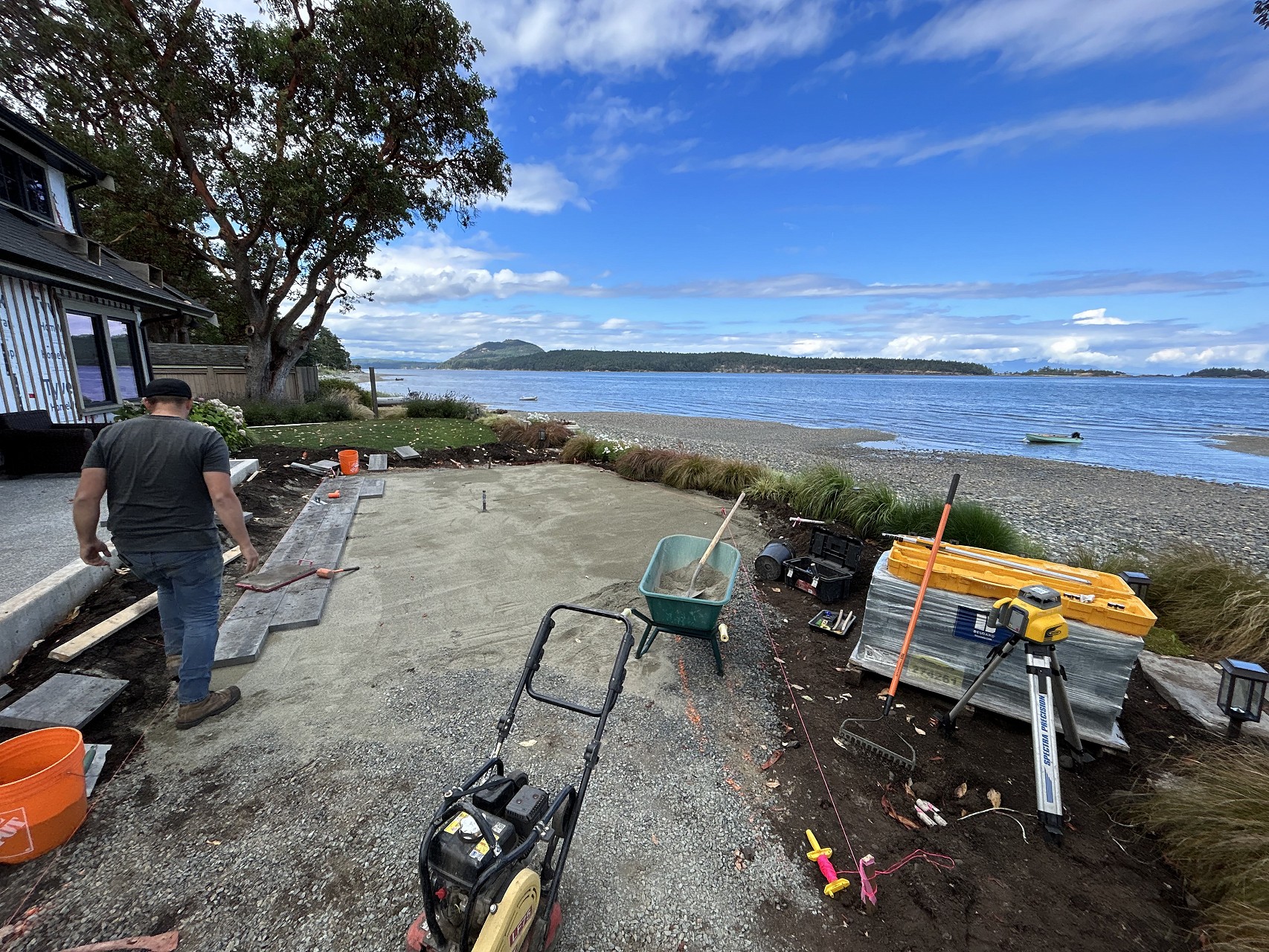
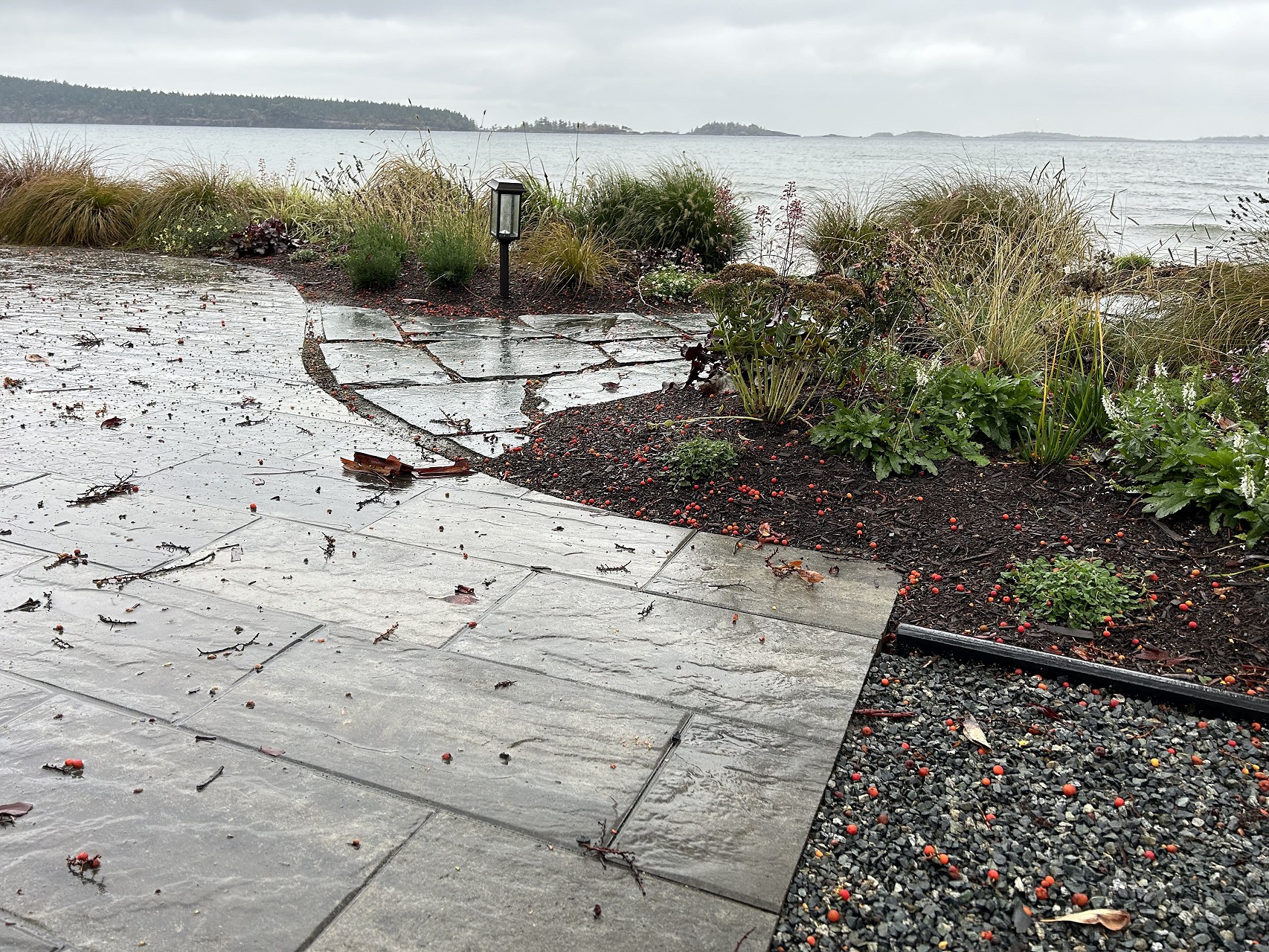
The wish list for this project was straight forward: a paver patio for the new outdoor living space, pathways to connect all the outdoor destinations, modifications to the existing irrigation system, and gardens to tie it all together.
The main garden linked the front entry with back patio, and we worked in some additional planting in the shade at the back of the house. We had a very tight timeline, so there was no formal design with this one. We had a budget, a concept plan, and a wedding to be ready for.
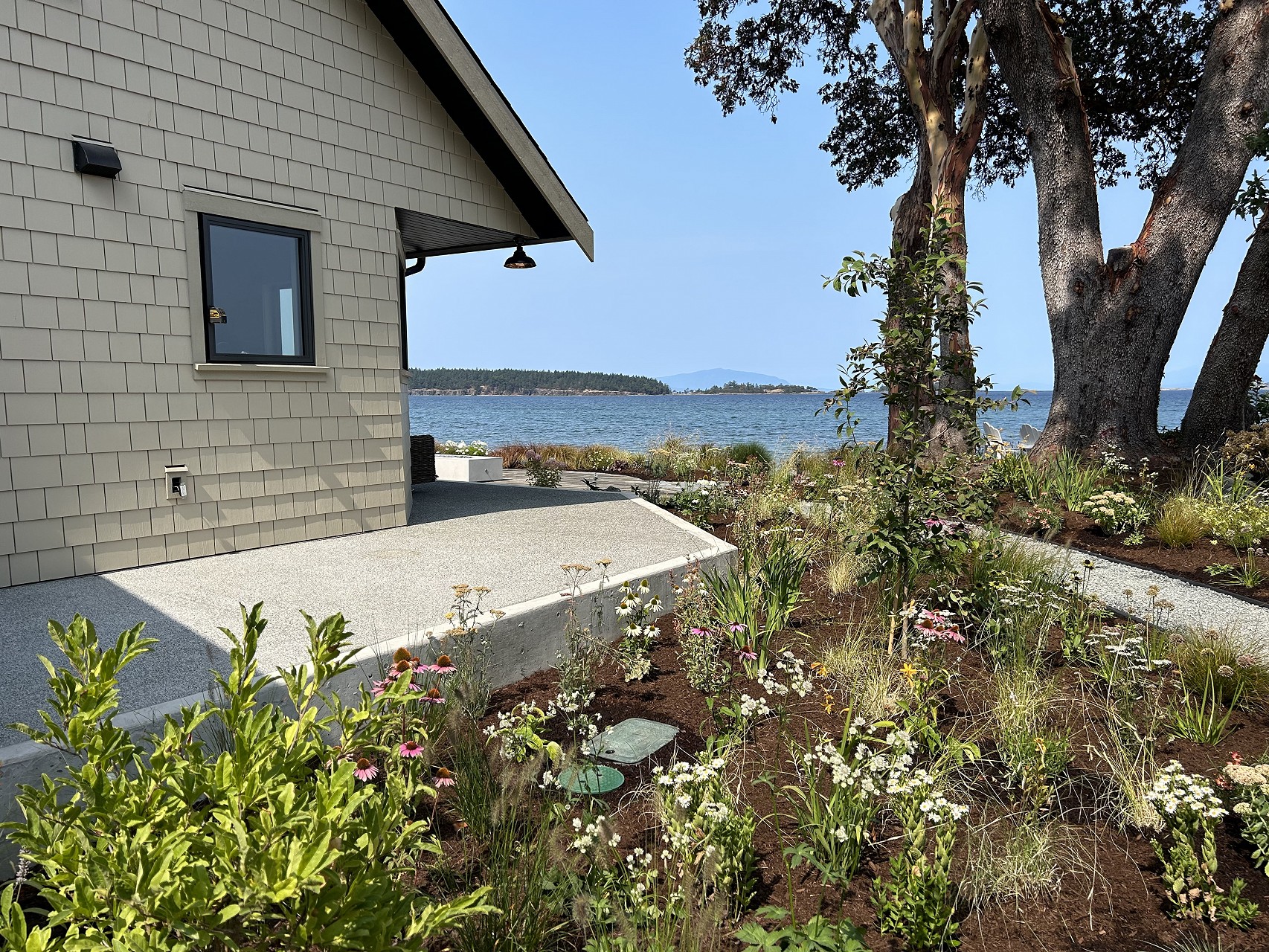
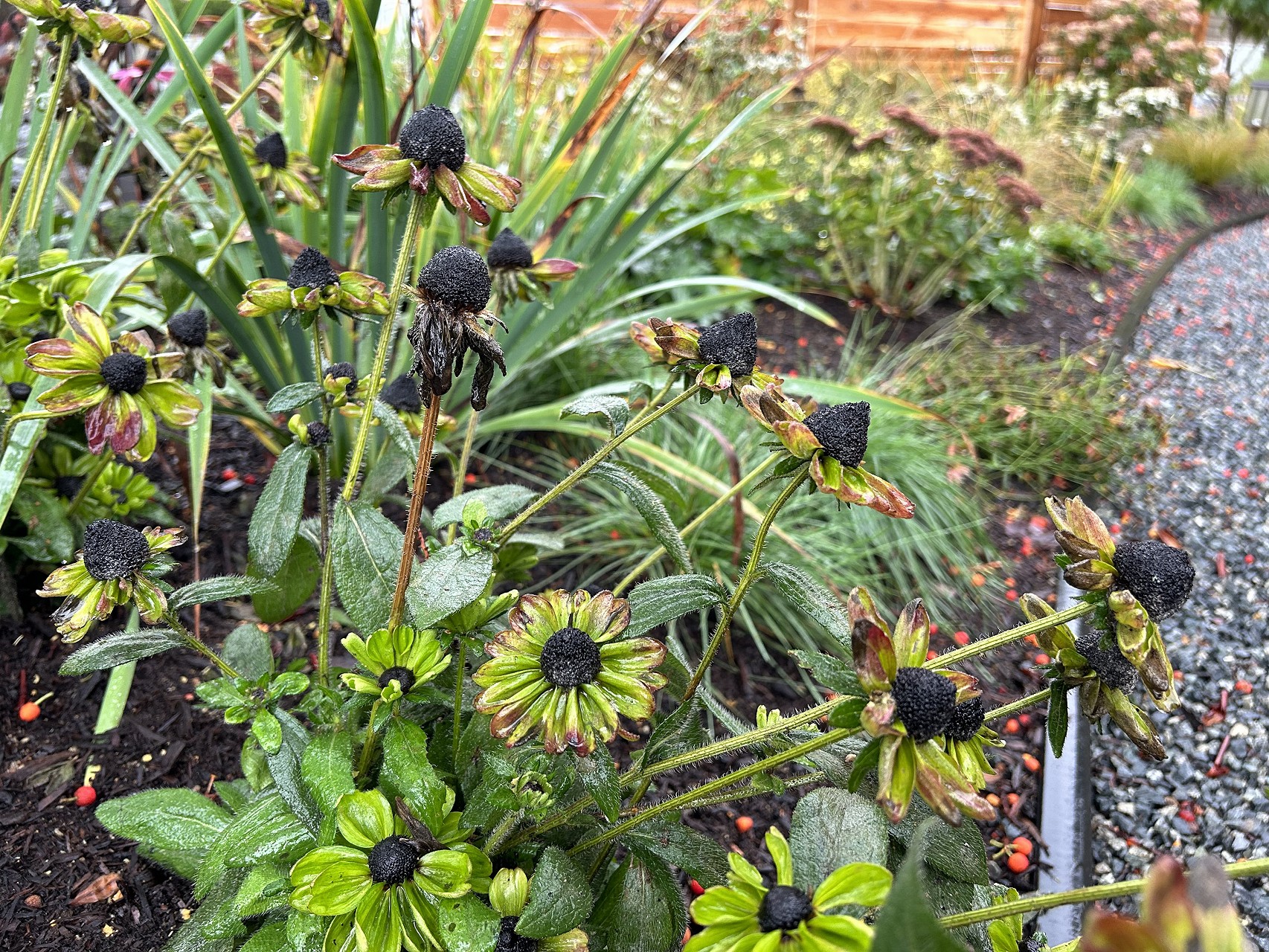
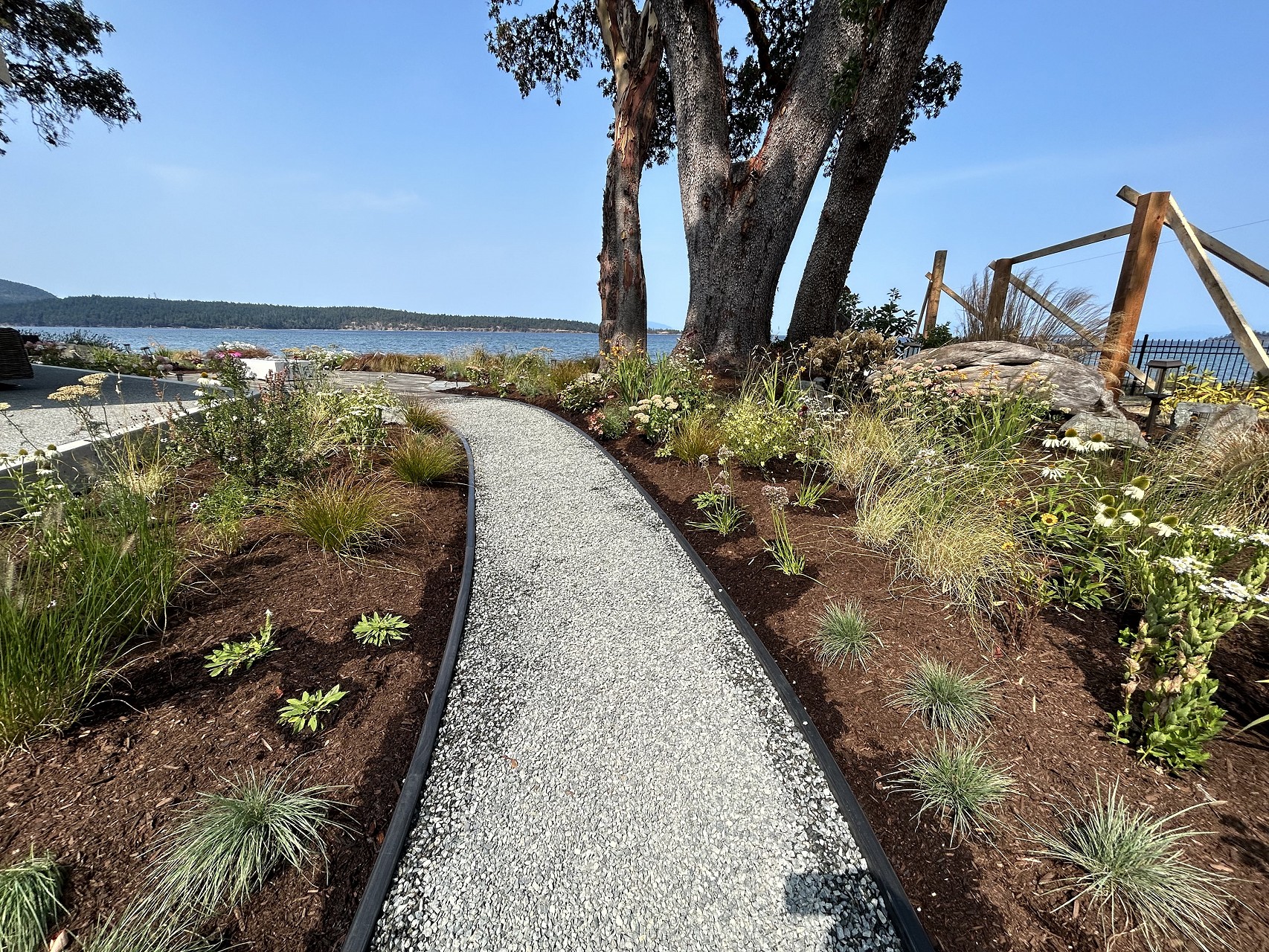
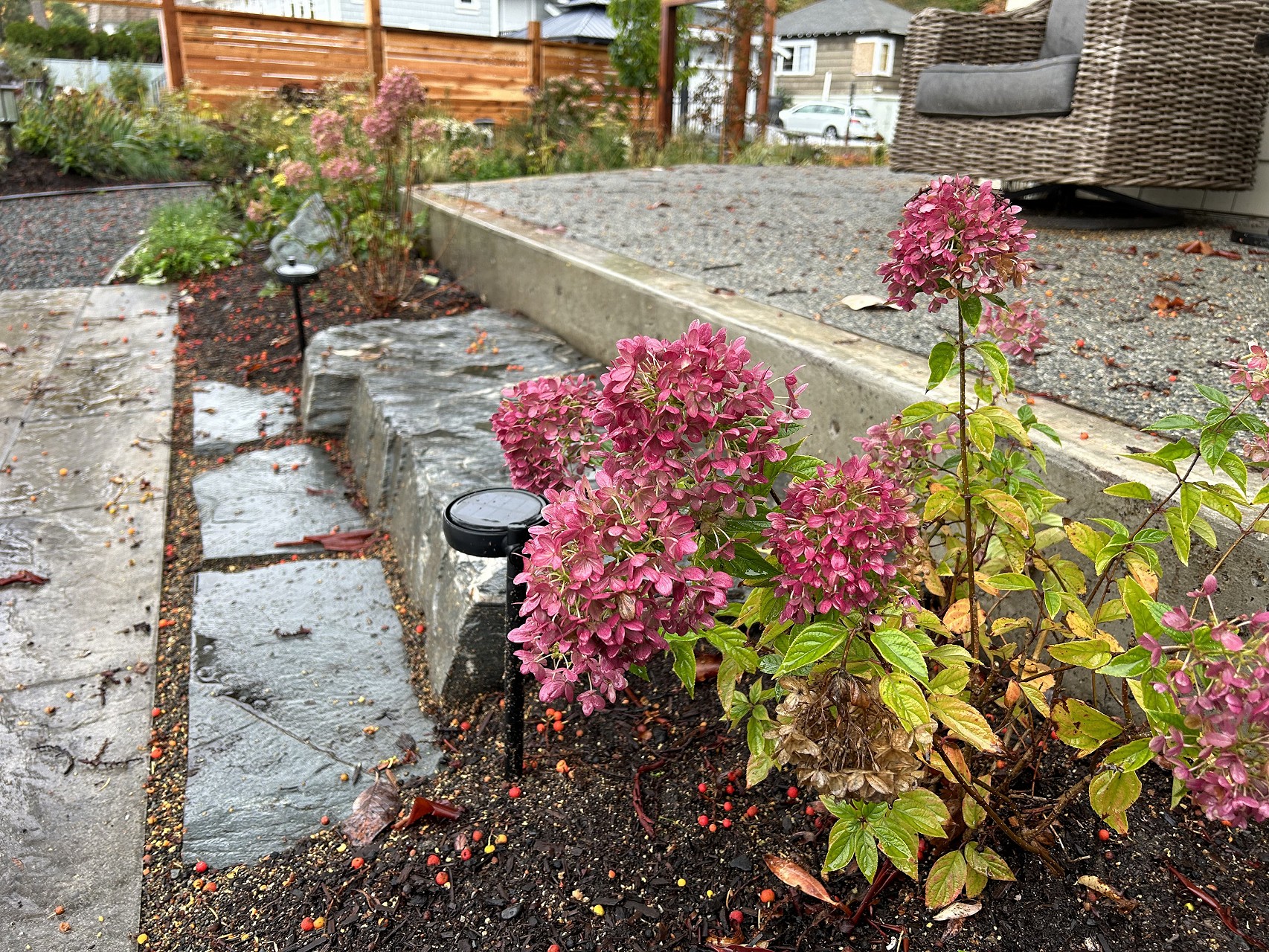
Inspiration for this site was rooted in the ocean, the large arbutus, the existing gardens, and the client’s tasteful requests for the planting.
The natural elements invited a wild, spontaneous feel to the garden, especially as it dances in the constant wind, but the proximity of the house allowed for a more controlled approach, with more intention and complexity in the planting than a true wild landscape would have.
The soft colour palette in the existing gardens, the tan siding on the house and the client’s own desires informed the aesthetics of the plant choices from start to finish. The fact that wedding events were being held in the gardens invited an element of romanticism, and a feeling of truly getting everything you wished for. This was reflected in the planting in its relative lack of restraint, with all the elements working beautifully together.
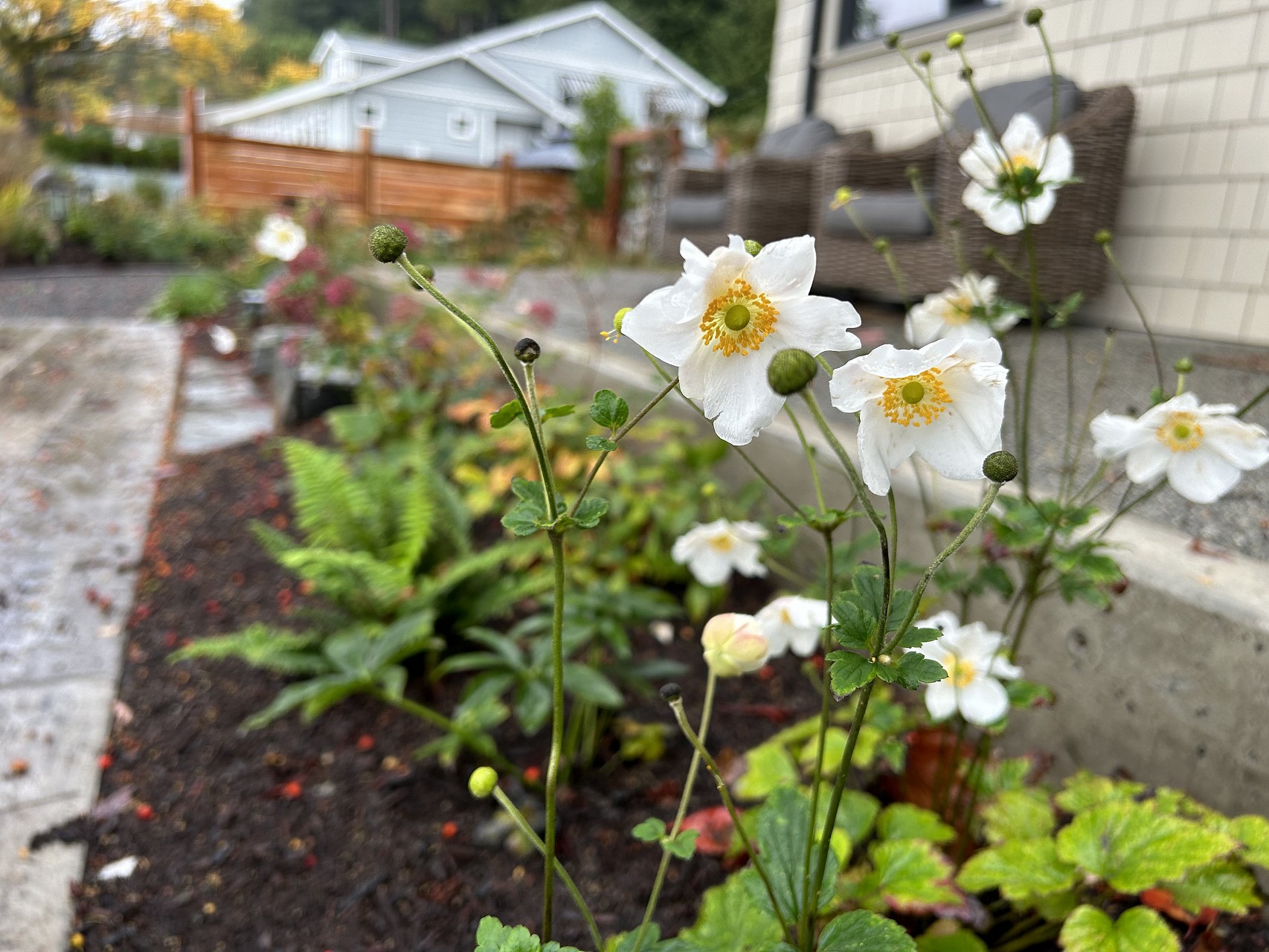
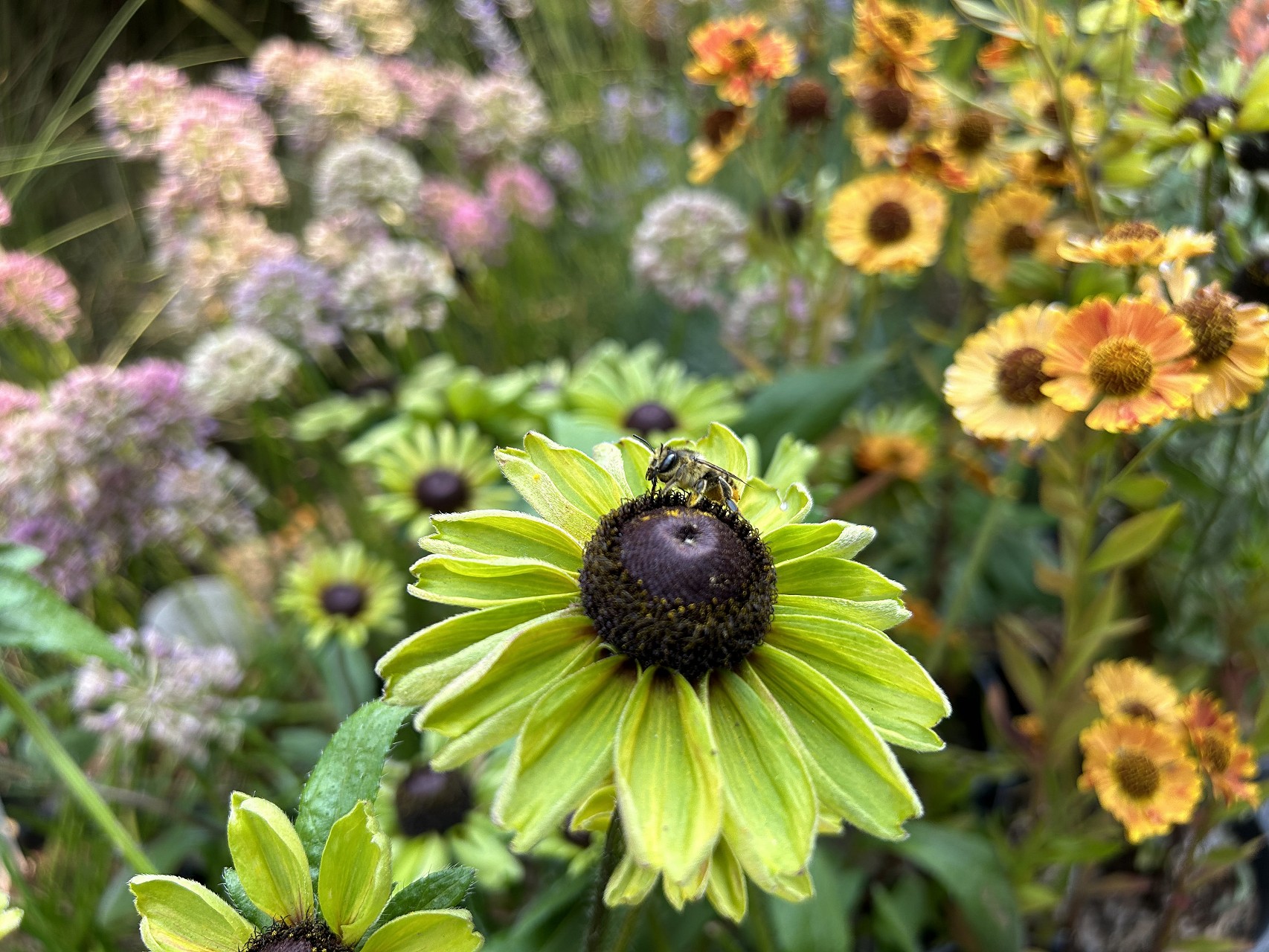
We felt drawn to a diverse, rhythmic planting that repeated the plant material in small drifts and blocks throughout the small space.
Working with only a single species at a time during the layout (remember, there was no plan!) meant we were guaranteed to have that necessary repetition of key species, tying the gardens together. The diversity in the garden and asymmetrical distribution of some highly visual species provides movement and balance. We chose many species that had airy flowers and seed heads, so they would really move in the breeze.
Working off a dry meadow archetype, we included a high percentage of native plants, most notably in the Koeleria macrantha, Anaphalis margaritacea, and the Achillea millefolium. Most of the rest of the planting is well suited to the same dry, windy, exposed conditions, except for some slivers of shade planting.
The body of the planting shifts from green to tan as the year progresses, complementing the neutral colour palette of the home even more. The plentiful blooms provide an abundance of colour and pollinator forage from March to November.